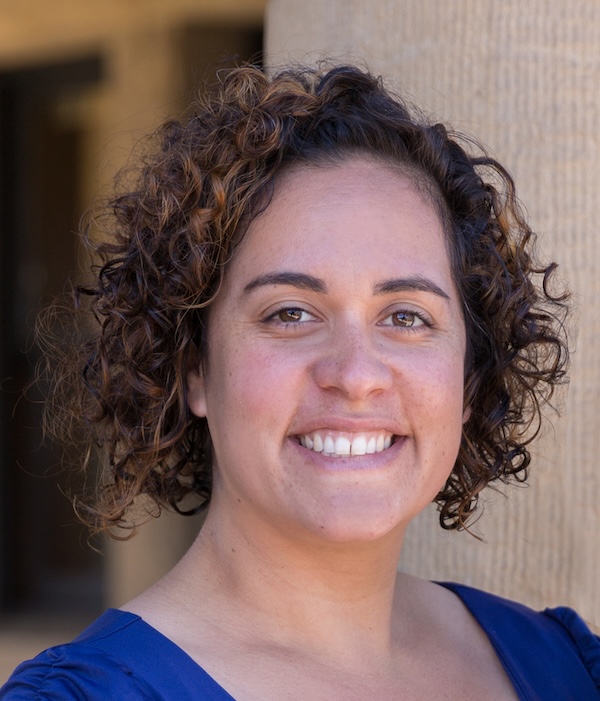
I use causal inference methods to examine how education policies and practices shape students’ educational trajectories and outcomes.
My research focuses on three areas: the transition from high school to college; curriculum, teaching, and learning; and student success in postsecondary education.
I am an Assistant Professor at the University of Pennsylvania Graduate School of Education and Faculty Research Director of the Office of School & Community Engagement. I received my Ph.D. in Economics of Education from Stanford University in 2019 and previously taught at the University of Massachusetts Amherst.
Research themes
From high school to college
How career and technical education investments and other high school policies shape dropout, graduation, and college enrollment.
Curriculum, teaching, and learning
How culturally relevant instruction, including ethnic studies courses, and efforts to teach students to evaluate scientific information affect engagement, attainment, and civic participation.
Student success in college
How free college programs, cost-of-living grants, and support for basic needs and mental health affect persistence and credit accumulation.
Recent articles
- 2026
- 2026
- 2025
- 2025
Recent coverage
- Harkay, J. (2026, July 14). Can ethnic studies bridge the achievement gap? San Francisco program shows gains. The 74 Million.
- Johnson, G. (2026, July 10). Taking ethnic studies courses increases academic performance. Penn Today.
- Tribune News Report (2026, May 1). New study finds ethnic studies linked to higher GPAs for Black, Latino students. Philadelphia Tribune.